
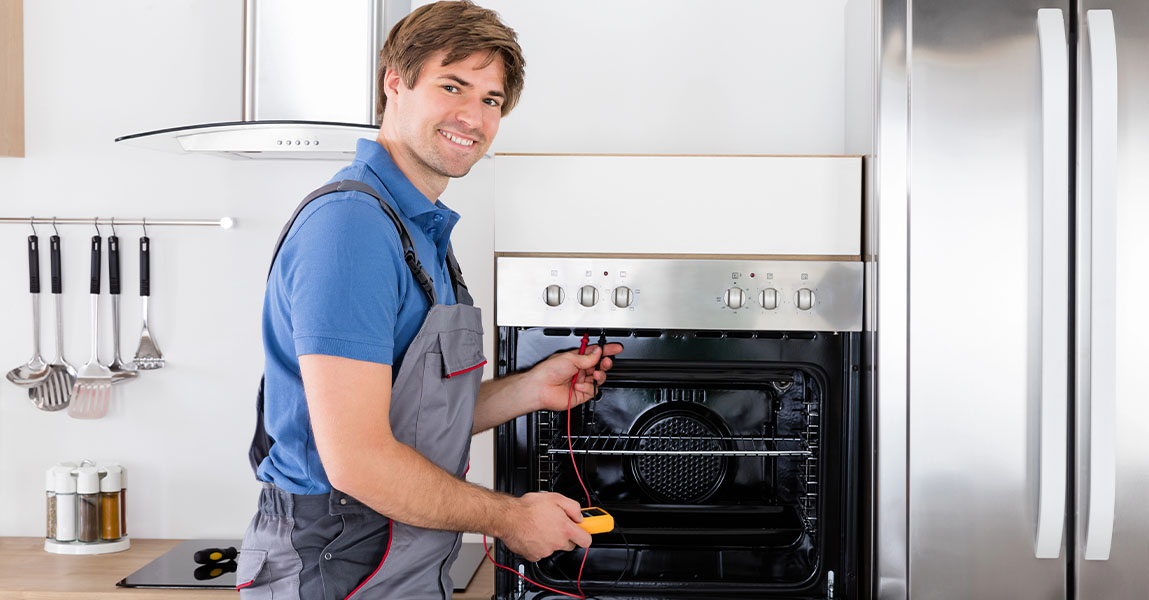
Some cooktop problems are easy to ignore until they interfere with dinner. When only one burner heats slowly, it can delay meals and throw off your cooking routine. We often see this issue in homes where one burner just refuses to warm up like the others. It’s tempting to keep using the others and avoid the faulty one. However, that can make the problem worse over time. Instead, it helps to understand what might be going on and how to safely respond. Let’s take a clear, step-by-step look at what you can do next.
Start with a Simple Test
We always begin with a visual and functional test. Place a pan of water on the burner and compare how long it takes to boil compared to a working one. This gives you a rough sense of how weak the heat really is. Sometimes, the problem is as simple as a poor connection under the surface. In other cases, the heating element inside may be worn out.
If it’s an electric stove, unplug it before doing anything further. For gas stoves, turn off the gas valve. After that, you can gently remove the burner coil or cap and inspect underneath. Loose fittings or corrosion are common causes. Cleaning these areas carefully may restore proper contact and function.
For anyone unsure about safe access to these parts, it’s best to reach out to a stove repair expert in Burbank. They can handle the job with the right tools and precautions.
Check the Power or Gas Flow
Next, we focus on the fuel. On electric models, one slow burner could mean a weak electrical connection or failed wiring. Use a multimeter to test voltage if you feel confident. For gas models, look for clogged ports. Burners rely on even fuel flow to generate flame. Food spills or grime can block one side, weakening the heat.
We’ve found that many homeowners forget to remove the burner head and check the tiny holes underneath. These openings direct the gas into the flame. When even one is blocked, it changes how the burner works. A soft-bristled brush and warm water are usually enough to remove buildup.
Even after cleaning, if the flame stays small or uneven, a deeper issue could be hiding in the valve or line. At that point, it’s worth considering appliance repair in Burbank to ensure the fuel delivery is safe and balanced.
Look for Wear in the Switch or Knob
Another common problem hides in plain sight: the control switch. For electric cooktops, every burner has its own switch that controls heat level. Over time, the contacts inside that switch can wear out or melt slightly, reducing the power sent to the element.
We sometimes see damage after power surges or frequent use at high settings. If you turn the knob and feel less resistance than usual, or it doesn’t “click” like it used to, the switch might be to blame. This part can usually be replaced without much effort.
Gas burners have fewer electrical parts, but they still rely on the igniter and valve system. If the knob feels loose or turns too easily, the internal valve may not be opening fully. That results in slower heating, even when the gas is flowing.
Always disconnect power or gas supply before removing any control parts. For those not comfortable opening the control panel, a local technician for appliance repair in Burbank can take care of that work safely.
Inspect for Part Mismatch or Damage
Some cooktops allow burner replacement, and we’ve seen cases where parts from different models were swapped. While they may fit physically, they don’t always match in power rating or connection design. That mismatch can leave one burner running weak or off-pattern.
Even with the correct part, physical damage matters. Warped elements, cracked caps, or dented supports can cause uneven heating. With electric models, look for burn marks, bulges, or dark spots on the coil. These signs suggest internal failure.
Gas burners may show wear at the ports or along the outer rim. A small crack in the base can disrupt airflow and lead to weaker flame. These parts are usually replaceable, and prices are reasonable for individual burners. Keeping the exact model number of your stove on hand helps when ordering parts.
In some cases, repeated burner failures may point to a larger electrical or gas supply issue. When you suspect something beyond a single part, don’t hesitate to get help from a professional. It’s faster, safer, and often cheaper than guessing.
Watch for Signs of Moisture or Residue
Sometimes the cause is not mechanical at all. Moisture and residue buildup are silent culprits in burner problems. Spills from boiling pots or cooking oil often seep under the burner base, reaching wires, valves, or connectors.
On electric cooktops, even a small amount of water can short part of the circuit. You might not see sparks, but performance drops. On gas stoves, residue blocks the ports or changes how gas flows, leading to slow or weak flames.
Cleaning the cooktop regularly helps prevent this. For deep cleaning, remove the burner and scrub around the base with vinegar or mild soap. Avoid pushing liquid directly into any holes. Let parts dry fully before putting them back in place.
If you notice frequent repeat issues after cleaning, it may mean the insulation or seals have been compromised. At that point, our team at Quick & Pro Appliance Repair Burbank can take a closer look and prevent future moisture problems from damaging your unit.
FAQs
Why does only one burner heat slowly while the others work fine?
It often means that burner has a damaged part or blocked connection, not a system-wide issue.
Is it safe to keep using the other burners while one is slow?
Yes, but if the issue is electrical or gas-related, it’s best to check it before it spreads.
Can a dirty burner cause slow heating?
Yes, both gas and electric burners can underperform when ports or elements are blocked.
Should I replace the burner or call a technician?
Try cleaning and checking parts first. If it still heats slowly, calling for service is safer.
How much does it usually cost to fix a single burner issue?
It depends on the model and cause. Most repairs involve small parts and basic labor.
When one burner heats slowly, it’s more than just a cooking inconvenience. It’s often a signal something deeper needs attention. Let’s make sure your stove runs like it should. For safe and reliable repairs, get in touch with our appliance repair team in Burbank. We’re here to help with the tools, parts, and experience needed to get every burner working right again.