
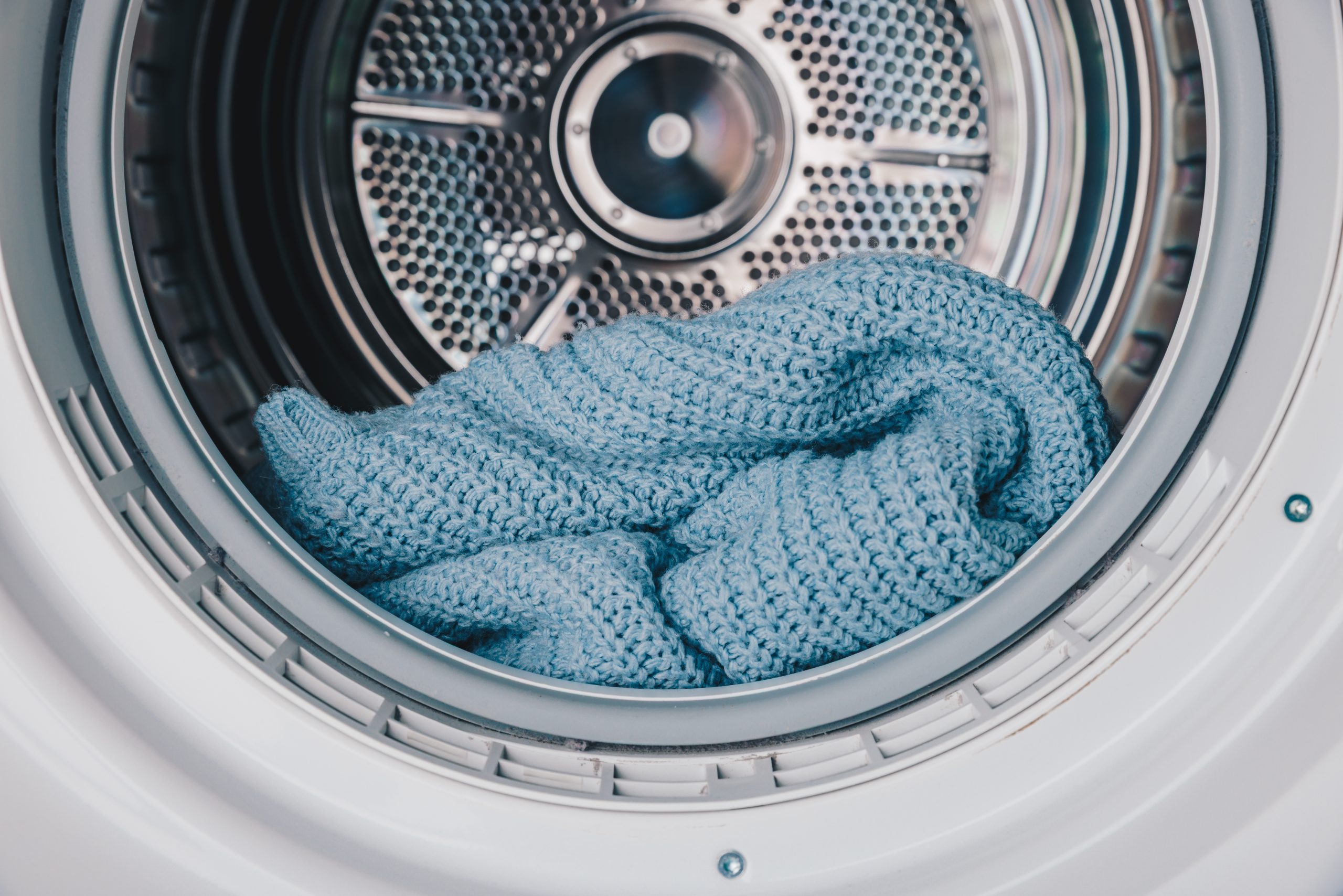
When a dryer leaves clothes hot but still damp, it usually means something is wrong with airflow or moisture removal. At Quick & Pro Appliance Repair, this is one of the most common problems we handle for homeowners. Therefore, even though the dryer feels hot, it may not be drying efficiently.
This issue can become frustrating over time, especially when you run multiple cycles without improvement. In addition, it increases energy use and puts extra strain on internal parts. Understanding what causes this problem helps you fix it faster and avoid further damage.
Why Heat Alone Doesn’t Dry Clothes
Many people assume heat is enough to dry laundry. However, drying depends on both heat and airflow working together. At Quick & Pro Appliance Repair, we often explain that hot air must move freely to remove moisture from fabrics.
If airflow is blocked, the hot air stays trapped inside. As a result, clothes feel warm but remain damp. In other words, your dryer is heating properly but failing to remove moisture effectively.
Common Causes of Damp Clothes After Drying
Several issues can lead to this problem, and each one affects performance differently. Firstly, clogged lint filters are a major cause. At Quick & Pro Appliance Repair, we frequently see dryers lose efficiency due to simple lint buildup.
Secondly, blocked or kinked vent hoses prevent moist air from escaping. Consequently, humidity builds up inside the drum. Thirdly, a faulty moisture sensor can misread dryness levels and stop the cycle too early.
If your washer is not spinning clothes dry enough before they enter the dryer, that can also contribute. You can explore solutions through washer repair Burbank if the issue starts earlier in the process.
The Role of Airflow and Ventilation
Airflow is the most important factor in proper drying. Without it, even a fully functional dryer cannot perform well. Therefore, Quick & Pro Appliance Repair always recommends checking the vent system first.
Lint buildup inside the vent line restricts airflow over time. As a result, hot air circulates inside instead of exiting outside. In addition, long vent systems increase the chances of blockage.
Cleaning the lint trap after every load helps, but it is not enough. You should also inspect the external vent and hose connections regularly. If airflow remains weak, professional service may be required through dryer repair Burbank.
How Overloading Affects Drying Performance
Overloading is another common mistake that reduces efficiency. When too many clothes are packed into the drum, air cannot circulate properly. Consequently, some items remain damp while others dry unevenly.
At Quick & Pro Appliance Repair, we often advise homeowners to reduce load sizes for better results. In addition, heavy loads trap moisture inside layers of fabric, making it harder for hot air to reach all surfaces.
Reducing load size improves airflow and allows clothes to tumble freely. Likewise, separating heavy and light fabrics helps achieve better results.
When Sensors and Internal Parts Fail
Modern dryers rely on sensors to detect moisture levels. If these sensors fail, the dryer may stop too soon. As a result, clothes feel warm but are not fully dry.
Similarly, thermostats and heating elements play a key role in maintaining proper temperature. At Quick & Pro Appliance Repair, we often find that worn parts cause inconsistent heating.
Electrical issues can also interfere with performance. For example, control board problems may disrupt cycle timing. If you suspect deeper issues, it may be time to seek help through the main appliance repair Burbank service.
How Other Appliances Can Affect Laundry Results
Laundry results do not depend only on the dryer. In fact, other appliances can also play a role. At Quick & Pro Appliance Repair, we sometimes see multiple appliances affecting each other indirectly.
For instance, issues handled through fridge repair Burbank can influence indoor conditions. Likewise, kitchen heat from ovens may affect humidity and airflow inside your home. You can also check related services like oven repair Burbank if multiple appliances show performance issues.
Simple Steps to Fix the Problem
There are several practical steps you can take before calling for service. Firstly, clean the lint filter and inspect the vent hose for blockages. At Quick & Pro Appliance Repair, we always recommend starting with these simple checks.
Secondly, reduce load size and run a test cycle with fewer items. Next, check if clothes are too wet before drying. In addition, ensure the dryer is set to the correct cycle for the fabric type.
If these steps do not solve the issue, internal components may require professional inspection. Addressing the problem early helps prevent bigger repairs later.
FAQs
Why are my clothes hot but still damp after drying?
This usually happens when airflow is restricted. The dryer produces heat, but moisture cannot escape. As a result, clothes feel warm yet remain damp.
Can a clogged vent cause this issue?
Yes, a clogged vent is one of the most common causes. It blocks airflow and traps humidity inside the dryer, reducing drying efficiency.
Does overloading the dryer affect performance?
Overloading limits air circulation and prevents even drying. Therefore, clothes may stay damp even after a full cycle.
How do I know if the moisture sensor is faulty?
If the dryer stops too early and clothes are still damp, the sensor may be misreading moisture levels. This often requires professional inspection.
When should I call for repair service?
If cleaning and basic checks do not fix the issue, internal parts may be faulty. In that case, professional repair is the best solution.