
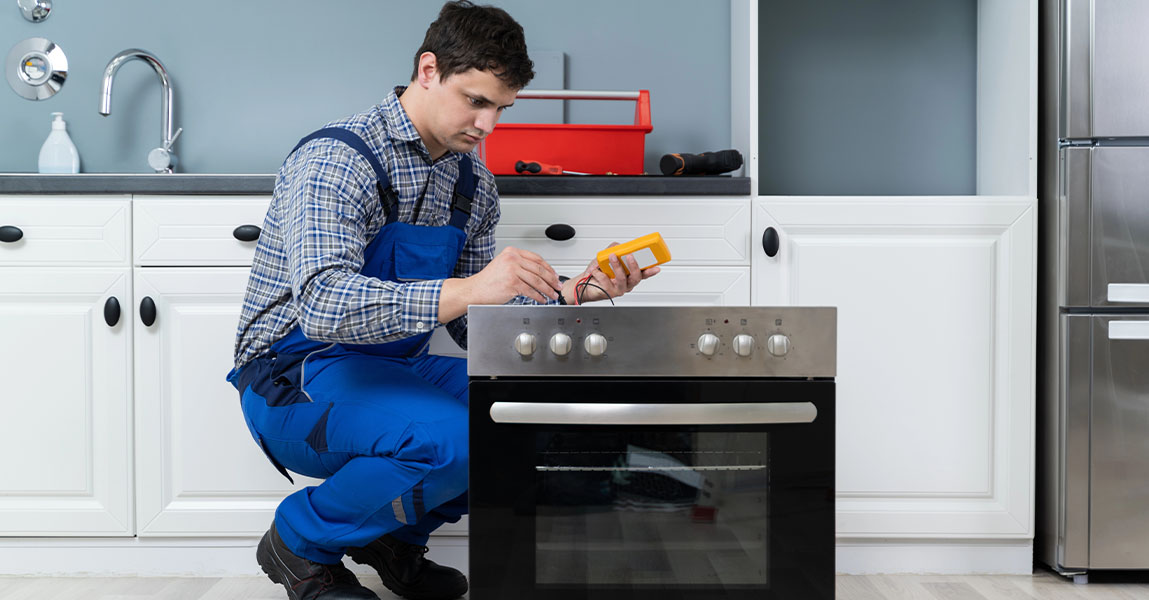
Worn door gaskets are easy to ignore, but they create a real problem inside ovens. When seals break down, heat escapes fast. That means longer cooking times, inconsistent temperatures, and higher power bills. We often find this issue during routine service calls, especially when meals take longer than usual. Today, we’re walking through how gasket wear affects oven performance, how to spot the signs, and what you can do before it gets worse.
This guide helps identify the subtle clues and understand the fixes so you can take simple steps to restore proper function without guessing.
What Door Gaskets Actually Do in an Oven
Door gaskets form a tight seal between the oven door and its frame. This seal helps trap heat inside and keeps cold air from creeping in. In electric and gas models, the gasket ensures the interior reaches and holds the correct temperature. Without it, the thermostat keeps running to compensate for the loss.
Every time we inspect an oven that struggles with heating or takes too long to preheat, we check the condition of the gasket. If it’s cracked, torn, or flattened, it’s no longer sealing the door properly. As a result, the heat escapes around the edges. That forces the appliance to work overtime to hold its setpoint.
We often explain this to customers by comparing it to an open window in winter. The warm air keeps escaping, and your heater just keeps running.
Signs Your Oven Gasket Needs Replacement
Visible damage is a clear warning, but there are smaller signs that often go unnoticed. Uneven cooking is one of them. If your food burns on one side while staying undercooked on the other, a worn gasket may be allowing drafts to interfere with the heat distribution.
Another common sign is a longer preheat time. When heat leaks out, the oven takes more time to reach the desired temperature. You might also notice that the area around the door gets hotter than usual. That’s because the heat isn’t staying inside like it should.
In some cases, you can feel a slight rush of hot air when standing near the door while the oven is on. That means the seal is no longer doing its job. We see this often during oven repair in Burbank when homeowners report inconsistent cooking results.
Why Heat Loss Matters for Cooking Performance
Temperature stability is critical when baking or roasting. A broken seal disrupts this balance and leads to poor results. Even a small gap lets hot air out and changes how the heat surrounds your dish. As a result, baked goods may rise unevenly or fall flat. Roasts might stay raw inside while overcooking outside.
This constant heat loss also makes your oven run longer. That puts extra strain on heating elements, which wear out faster under pressure. Most people don’t realize that a small gasket issue can shorten the life of their appliance over time. It’s a gradual shift, but we see the impact during inspections for appliance repair in Burbank.
Aside from the inconvenience, wasted energy adds up. More energy is required to maintain a steady temperature, and that reflects in your utility bill. A simple part like a gasket directly affects how efficient your appliance runs each day.
How to Check the Gasket for Damage
Start by opening the oven door and running your fingers along the seal. The gasket should feel soft and springy. If it’s brittle, cracked, or visibly torn, it likely needs replacement. Look closely at the corners since they tend to wear out faster.
You can also try the paper test. Close the oven door on a piece of paper and try pulling it out. If it slides out easily, the seal is weak in that spot. Do this around all four sides to check the full seal. We often find that one side wears out first and slowly spreads from there.
Keep in mind, even if there’s no visible damage, a gasket that has flattened out over time won’t provide a tight seal. That’s why regular inspection is important, especially if your oven is more than five years old.
Simple Maintenance to Prolong the Seal’s Life
Cleaning the gasket gently with a damp cloth helps remove debris that could interfere with the seal. Avoid harsh chemicals or abrasive scrubbing since these can damage the material. Wipe off spills quickly so they don’t bake onto the gasket during use.
During routine cleaning, inspect the door alignment as well. If the hinges are loose or sagging, the door may not close fully, which causes the gasket to compress unevenly. That leads to early wear. Realigning the door or replacing the hinges helps the gasket last longer.
One easy tip is to avoid slamming the oven door. Each time it closes hard, the gasket absorbs the impact. Over time, that weakens the material. We’ve seen seals fail early just from repeated heavy closing.
How a Damaged Gasket Affects Safety
Besides performance, a poor seal also raises a safety concern. When heat escapes, the outer parts of the door can reach unsafe temperatures. Children or pets near the oven might get burned more easily. That’s why gaskets are not just for cooking—they’re also part of safe operation.
In some cases, steam or smoke leaks through the gap and triggers smoke alarms or causes buildup on nearby surfaces. That adds more cleaning work and can discolor cabinets or walls over time.
We often inspect these details during full appliance service visits and catch early signs of wear before it leads to bigger problems. A good seal helps maintain temperature, efficiency, and safe handling all at once.
When to Replace the Oven Gasket
If your gasket is visibly damaged, loose, or failing the paper test in multiple spots, replacement is the right move. Gaskets are generally affordable and easy to swap out. In many ovens, the gasket slips into place using clips or a channel groove. However, some models have adhesive-backed seals or require removing the door for access.
It’s important to match the exact part to your oven model. A poorly fitting gasket won’t solve the problem and may make it worse. That’s why we always recommend using a part that’s made specifically for the appliance.
After replacing the gasket, test the door for a snug fit. You shouldn’t feel air leaking or notice heat escaping during use. A proper seal should hold even pressure around the entire frame.
Why DIY Repairs Sometimes Fall Short
Many people attempt gasket replacement on their own, and while it looks simple, issues can arise. The most common mistake we see is installing the wrong size or type. A seal that’s too thick may prevent the door from closing properly. One that’s too thin won’t hold heat in.
Improper placement is another issue. If the gasket isn’t seated evenly or pressed into the channel all the way, it creates small gaps. That defeats the whole purpose of the replacement. We’ve handled several follow-up visits for ovens where the gasket was installed upside-down or twisted.
That’s why, if there’s any doubt, it’s better to speak to someone who offers reliable appliance repair in Burbank. Our team can inspect the oven, replace the gasket with the correct part, and check for other heat-related issues in the same visit.
FAQ
Why does my oven heat unevenly even though the temperature is correct?
Uneven heating often happens when the door gasket is worn. Heat escapes through the gaps and causes cold spots inside.
How often should I check the oven gasket?
We suggest checking it every six months or during routine cleaning. Look for cracks, flattening, or hard spots.
Can I use the oven if the gasket is damaged?
Yes, but it may not perform properly. Food might not cook evenly, and energy use will be higher than normal.
Is it safe to replace the gasket myself?
It depends on the model. If you’re unsure or notice other issues, calling a technician ensures the work is done safely.
What causes oven door gaskets to wear out?
Heat cycles, cleaning chemicals, door misalignment, and frequent slamming all contribute to early gasket wear.