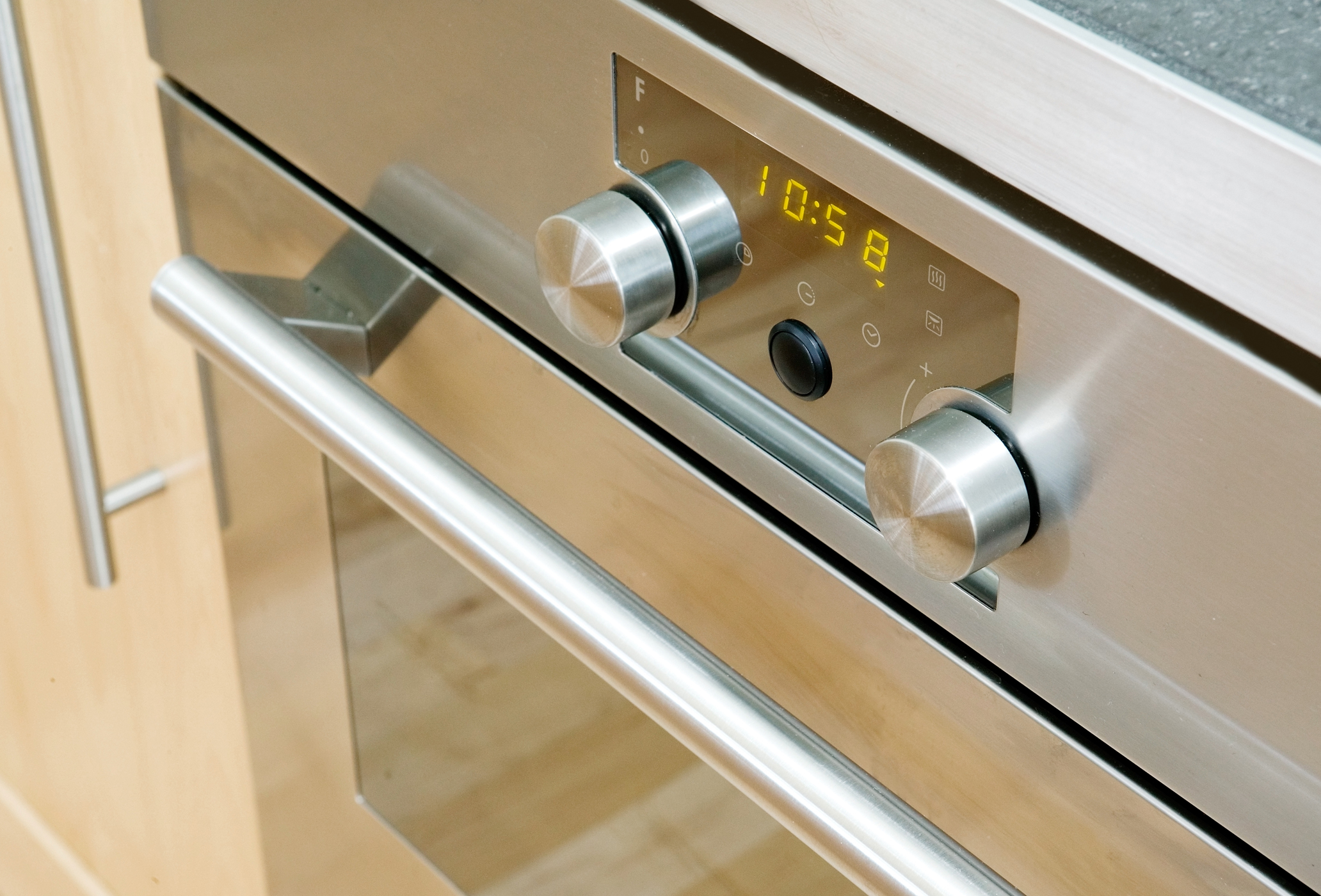
Quick & Pro Appliance Repair Burbank sees the same oven temperature sensor symptoms again and again in local kitchens. The dial says 350 degrees, yet the roast comes out pale or the cookies scorch at the edges. That gap often points to a small probe inside the oven cavity. This guide explains what the sensor does, which warning signs matter, and which safe checks you can try before you book a visit.
What the Oven Temperature Sensor Does
The sensor is a thin metal probe mounted at the back or top of the oven cavity. It measures the air temperature many times each minute. The control board reads that signal and decides when to switch the bake or broil element on and off.
Think of it as the oven’s built-in thermometer and its voice. If the probe reports the wrong number, the board makes poor decisions. The elements may stay on too long, switch off too early, or never settle into a steady cycle.
A healthy probe changes its electrical resistance in a predictable way as the oven warms. Wear, heat damage, and grease can shift that behavior. Once the readings drift, every recipe suffers.
Seven Oven Temperature Sensor Symptoms to Watch For
Sensor trouble rarely arrives all at once. It tends to creep in over weeks. Watch for these common oven temperature sensor symptoms:
- Food burns on top while the center stays raw, or the opposite.
- Preheating takes noticeably longer than it did last year.
- The oven beeps that it is ready, but the cavity feels barely warm.
- An error code such as F1 or F3 appears on the display (codes vary by brand).
- Temperatures swing widely during a single bake.
- The elements glow red for long stretches without cycling off.
- An oven thermometer shows a result far from the setpoint every time.
One odd result does not prove anything. A single burnt tray might come from a crowded rack or a blocked vent. Several clues together, repeated over a few bakes, make a sensor fault far more likely.
Keep a short note of each bake for a week. Write down the setpoint, the bake time, and the result. That simple log turns vague feelings into evidence, and it helps a technician narrow the cause quickly when you call.
If preheating alone is your main complaint, our note on why ovens take longer to preheat over time covers other causes worth ruling out.
How to Tell Oven Temperature Sensor Symptoms From Other Faults
Several oven problems look alike from the kitchen. A weak bake element, a worn door gasket, and a failing control board can all cause uneven cooking. The table below helps you sort the likely suspects.
| What you notice | Likely cause | What a technician checks |
|---|---|---|
| Burnt edges, raw middle | Sensor reading low or high | Probe resistance at room temperature and at heat |
| Slow preheat, element glows | Weak bake element or sensor drift | Element continuity and sensor signal |
| Heat escapes around the door | Worn door gasket | Seal condition and door alignment |
| Display shows an F-code | Open or shorted sensor circuit | Wiring, connector, and probe |
| Temperature swings of 25 degrees or more | Failing sensor or control board | Sensor signal against a test thermometer |
| Oven will not heat at all | Failed element, fuse, or board | Power supply and element test |
A trained technician tests each possibility in order. That approach avoids replacing parts that were never broken. You can read more about gasket problems in our guide on how worn door gaskets cause heat loss.
Safe Checks Before You Call
No single test settles the question, but a short routine gives you good evidence. The goal is to confirm the pattern of oven temperature sensor symptoms before anyone opens the oven or orders a part.
You can learn a lot with a few low-risk steps. Start with a basic oven thermometer placed on the center rack. Set the oven to 350 degrees and wait at least 20 minutes after the preheat beep. Then compare the thermometer reading with the setpoint.
A difference of 10 to 15 degrees is common and often acceptable. A gap of 25 degrees or more suggests a real fault. Repeat the test once to confirm the result.
Next, look for obvious trouble. With the oven cool and unplugged or the breaker off, check that the probe is not touching the cavity wall. Look for heavy grease, a bent tip, or a loose connector.
Many ovens use a probe that reads roughly 1,000 to 1,100 ohms at room temperature. Your service manual lists the exact value. Do not test a probe unless you are comfortable with a multimeter and the power is fully off. Never bend a probe back and forth.
Why Heavy Use Wears Sensors Faster
Sensors age with heat cycles, so oven temperature sensor symptoms often appear after years of steady use. Every bake, broil, and self-clean cycle stresses the probe and its wiring. Self-clean runs push the cavity far beyond normal baking temperatures, so they are especially hard on connectors.
Busy households in Burbank often bake more from November through December. Extra cycles bring any weak probe to the surface right when you need the oven most. Spotting the early signs in October gives you time to fix the problem before the holiday rush.
Keeping the cavity clean also helps. A tidy oven also makes it easier to spot a loose or damaged probe during a visual check. Heavy grease on the probe can slow its response. Wipe spills once the oven cools, and skip harsh sprays near the probe.
When to Call a Technician
Some ovens hide sensor faults for months because the control board compensates. Others fail suddenly and stop heating. Either way, patterns matter more than any single bake, so bring your notes to the conversation.
Call for service when your thermometer test shows a steady gap of 25 degrees or more. Call when an error code returns after you reset power. Call if the elements stay on without cycling, because a runaway oven is a safety concern.
Sensor replacement is usually a short job once the fault is confirmed. The technician tests the old probe, installs a matching part, and checks the oven against a reference thermometer. An honest quote is given after assessment, before any work begins.
For broader cooking safety guidance, the National Fire Protection Association cooking safety page is a trustworthy resource. If you want to confirm the fault first, see our earlier piece on signs your oven’s temperature sensor needs replacement. You can also book through our oven repair service in Burbank.
Frequently Asked Questions
Can I still use my oven if the sensor is failing?
You can often use it with caution, but results become unreliable. An oven thermometer helps you adjust. Stop using it if the elements stay on without cycling off.
How long does an oven temperature sensor last?
Many probes last 10 years or more with normal use, as an industry estimate. Heavy self-clean use and grease can shorten that range.
Will recalibrating the oven fix a bad sensor?
Calibration only offsets the reading by a small amount. It can help with minor drift. A failing sensor with erratic readings needs replacement.
Is a sensor repair a same-visit job?
Often yes, when the correct part is on the truck. Some brands need a special order, and the technician will tell you before leaving.
Contact Quick & Pro Appliance Repair Burbank
Quick & Pro Appliance Repair Burbank serves homes in Burbank, California. Call or text (818) 860-8028. Our hours are daily from 7:00 am to 8:00 pm, seven days a week.