
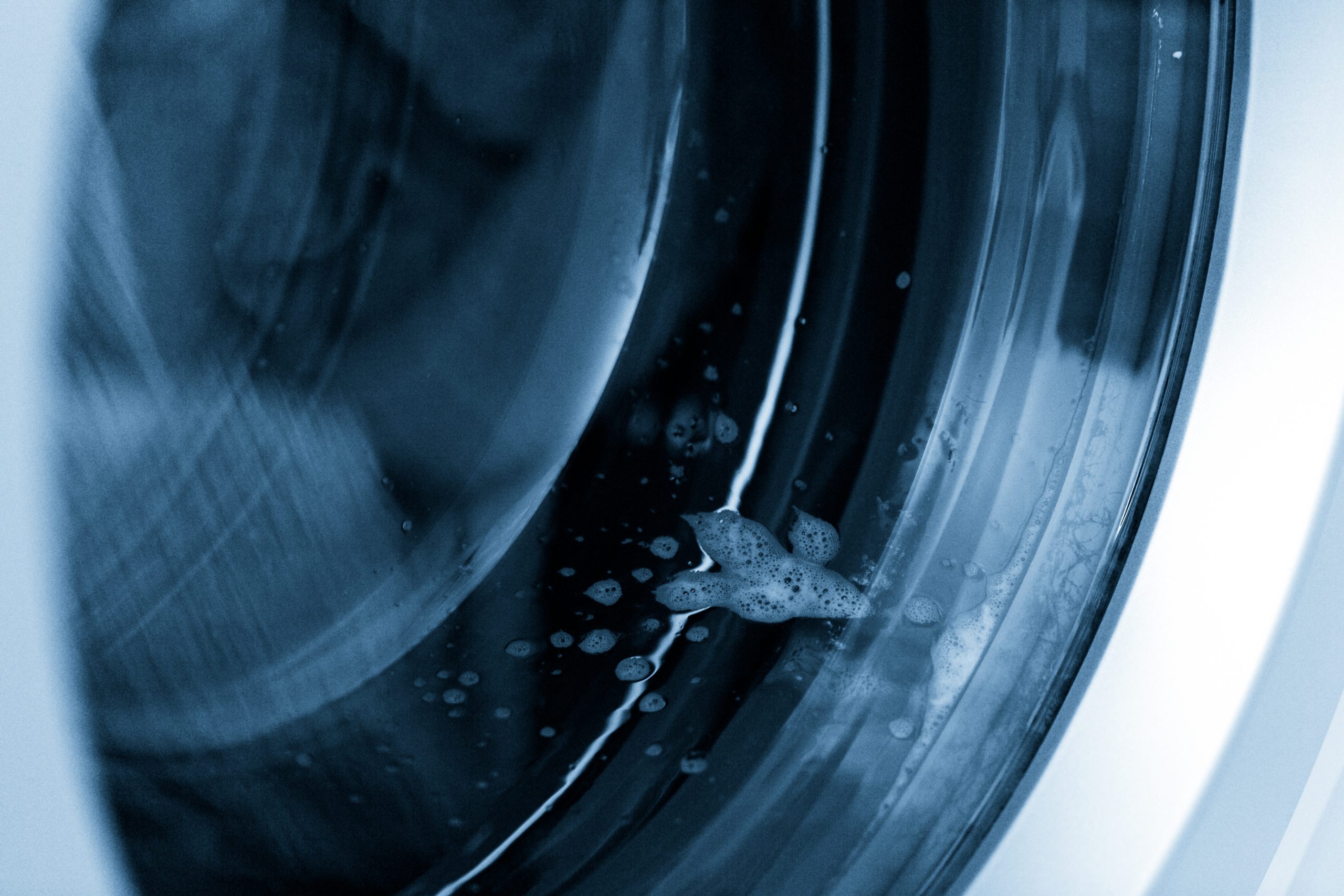
Most homeowners miss the early signs of a suds overflow warning, because the machine still seems to wash and drain. However, that hidden foam can spread into places you cannot see, and it can turn a small laundry mistake into a big cleanup and repair problem. Quick & Pro Appliance Repair often finds that the real damage starts long before the washer shows an error code.
What This Suds Problem Really Is
Too many suds is not just “extra bubbles.” In other words, it is trapped foam that changes how water moves through the washer, pump, and drain path. Modern machines expect a certain mix of water and air, but excessive suds create back pressure and false water level readings. As a result, the washer may keep adding water, extend the cycle, or struggle to rinse properly.
This is why a suds overflow warning can show up even when nothing looks “wrong” from the outside. Meanwhile, foam can slip past seals, travel into the base pan, and leave residue on sensors and wiring. That residue can attract moisture and dust, so small electrical issues become more likely over time.
Suds Overflow Warning Causes We See Most Often
A suds overflow warning is usually caused by one of a few habits, and the tricky part is that they build up slowly.
Too Much Detergent, Even “Just a Little Extra”
Many people pour detergent by feel, not measurement. Consequently, the washer ends up with more soap than it can rinse away. High efficiency machines are especially sensitive, because they use less water by design. Most importantly, even a small overpour repeated every week can leave a slick film inside the tub and hoses.
Wrong Detergent Type For The Machine
Non HE detergent in an HE washer can create foam that never settles. That is to say, the washer may drain water but still keep the suds. Pods can also be an issue if they do not dissolve fully in cold cycles, and then the leftover soap releases later and creates surprise foam. Therefore, the problem may appear random even though the cause is consistent.
Extra Dirty Loads That Trap Soap
Pet bedding, greasy work clothes, and heavy towels hold detergent in the fabric. After that, the rinse water cannot pull it all out at once, so the next load may start with soap already inside the drum. In addition, fabric softener buildup can trap detergent and make the suds worse.
How To Spot Trouble Before It Turns Into Damage
The biggest warning is not always a code. For example, you may notice longer wash times, a slippery feel on “clean” clothes, or a sour smell that returns quickly. Likewise, you may see foam lingering at the end of the cycle or a washer that “restarts” the rinse step.
Listen for changes too. A pump that sounds strained, or a drain that gurgles more than usual, can mean foam is slowing the flow. However, if you keep running loads like normal, suds can overflow into the cabinet and create corrosion around connectors and boards. At that point, a suds overflow warning is no longer a small annoyance, it becomes a reliability issue.
A Simple Fix You Can Do Safely
If you see heavy suds, stop the cycle and switch to a rinse and spin. Secondly, run an extra rinse with no detergent at all. After that, wipe the door boot and the bottom lip of the opening, because residue loves to sit there. If the washer has a clean cycle, run it with a washer cleaner, not extra soap.
Also reduce detergent right away. Most importantly, measure it, and start lower than the label suggests, because many labels assume larger loads and harder water. Therefore, you will often get better rinsing with less product.
If you want a deeper check of the drain path and pump performance, Quick & Pro Appliance Repair can inspect the system and confirm whether the suds issue has started affecting the pump, pressure switch, or drain setup. If the problem is already causing poor draining, it may overlap with issues that show up in washer repair Burbank appointments.
When Suds Start Affecting Other Appliances
The laundry room rarely exists in isolation. For instance, repeated over sudsing can lead to wetter loads, which makes dryers work longer and run hotter. Consequently, lint accumulation and heat stress can increase. If drying times suddenly jump after you “fixed” a suds problem, it may be time to look at airflow and performance through dryer repair Burbank.
Similarly, soap habits can carry over to dishwashers. Too much detergent or the wrong type can create foam that leaks from the door and trips safety systems. In the same vein, a dishwasher that smells clean but leaves residue may have detergent and rinse issues worth checking through dishwasher repair Burbank.
Even your fridge can get pulled into the mess if laundry moisture raises humidity in a tight kitchen laundry setup. As a result, condensation and airflow problems become more noticeable, and food storage feels less consistent. If that sounds familiar, fridge repair Burbank can help confirm whether airflow, door sealing, or temperature control is being affected.
When It’s Time To Call For Help
If a suds overflow warning keeps returning after you cut detergent and run rinse only cycles, something else may be going on. For example, a pressure sensor hose may be partially blocked by residue, or the drain pump may be slowing under load. Likewise, a drain line can be installed in a way that encourages siphoning, which confuses water levels and can trigger repeated rinses.
Most importantly, repeated foam exposure can damage bearings, seals, and control components over time. Therefore, it is smarter to address the cause early instead of waiting for a full breakdown. Quick & Pro Appliance Repair can test the washer under real conditions, check for residue related sensor errors, and confirm that the drain system is working the way the machine expects.
FAQs
What does a suds overflow warning mean in a washer?
It means the washer senses too much foam or abnormal water movement during the cycle. As a result, the machine may add rinses, pause, or extend the wash to protect the pump and prevent overflow.
Can too many suds actually damage the washer?
Yes, over time foam can push residue into sensors, seals, and the base area. Consequently, corrosion, leaks, and pump strain become more likely, especially if the issue happens repeatedly.
How much detergent should I use to prevent excess suds?
Use less than the label if you have an HE washer, and measure each load. Therefore, start small and adjust only if clothes do not come clean, not if you “don’t see bubbles.”
Why do my clothes feel slippery even after rinsing?
Detergent may be trapped in fabric or the washer may not be rinsing effectively. In other words, suds and residue can stay behind when the machine uses too little water or the drain path is restricted.
Should I keep using the washer if the warning comes back?
If it returns after reducing detergent and running rinse only cycles, stop and get it checked. Most importantly, repeated warnings can mean a sensor or drain issue that could lead to larger repairs.