
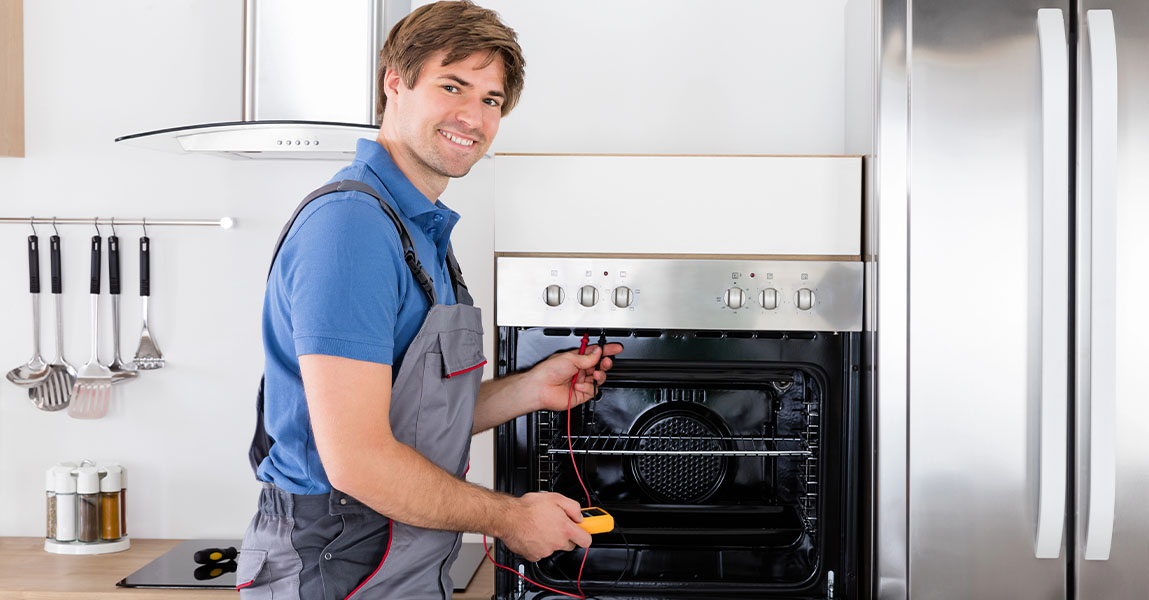
An oven that once heated quickly but now takes forever can turn cooking from a joy into a chore. Over time, preheating that used to take five minutes can stretch to fifteen or more. It’s easy to assume the oven is simply “getting old,” but in reality, several specific causes are behind the slowdown. Understanding them can help us fix the issue before it leads to uneven baking or complete failure.
How Oven Heating Works
Before looking at why preheating slows down, it helps to understand how the system is supposed to function. In both electric and gas ovens, heat builds gradually until the internal temperature sensor detects the correct setting. The elements or burners then cycle on and off to maintain that level. When everything works as intended, the preheat process is steady and predictable.
Over time, however, components that regulate, generate, or retain heat start to degrade. A small change in any of these parts can throw off the balance and extend the preheating period. Recognizing early signs can prevent further wear and unnecessary energy waste.
Failing Heating Elements and Burners
The most common reason an oven takes longer to preheat is a weak or damaged heating element. Electric ovens rely on two elements: one for baking at the bottom and one for broiling at the top. If one of these fails or weakens, the oven must work harder and longer to reach temperature.
In gas ovens, a similar slowdown can happen when the burner ports become clogged with food debris or grease. Blocked ports reduce flame size, and less flame means slower heat buildup. A simple visual check when the oven is heating can reveal the problem. If the flame is small or uneven, cleaning the burner holes with a soft brush or needle can often restore normal function.
If both heating elements look intact but preheating still takes too long, the problem might involve the ignition system or electrical resistance within the element itself. At that point, professional inspection from a local technician specializing in appliance repair in Burbank may be necessary.
Temperature Sensor Issues
Every modern oven has a temperature sensor or thermostat that monitors internal heat. If this sensor becomes misaligned or covered in residue, it can give incorrect readings. The oven might believe it has reached the desired temperature when it is still much cooler. This forces the system into inefficient on-and-off cycles, making preheating drag on unnecessarily.
Cleaning the sensor carefully with a soft cloth can sometimes help. However, if the sensor is faulty or has drifted far from accurate readings, replacement is usually the best solution. A misreading of even twenty degrees can add several minutes to preheating and lead to uneven cooking later on.
Poor Heat Retention
Another major factor that slows down preheating is heat loss. An oven that cannot hold heat well will take longer to warm up because it constantly compensates for escaping air. The most frequent culprit is a damaged or compressed door gasket.
Over time, the rubber or fiberglass seal around the oven door becomes brittle and stops creating a tight closure. You can test the seal by placing a strip of paper in the door and closing it. If the paper slides out easily, the gasket is no longer sealing properly. Replacing it is inexpensive and makes a significant difference in performance.
Warped doors, loose hinges, or worn-out insulation panels inside the oven walls can also contribute to slow preheating. When heat continuously leaks out, energy use rises and cooking quality declines. Fixing these issues not only speeds up preheating but also improves efficiency overall.
Power Supply and Electrical Resistance
For electric ovens, a drop in power supply or an increase in internal resistance can lead to sluggish heating. Electrical resistance naturally rises as wiring and components age. This means that even if everything appears to be working, less current reaches the heating elements.
You might notice other clues, like flickering oven lights or inconsistent performance in other household appliances sharing the same circuit. Testing the outlet voltage with a multimeter can rule out power issues. If the voltage is normal but heating remains slow, internal wiring or connections inside the oven may need servicing.
While this kind of electrical degradation develops slowly, it’s a common reason older ovens take longer to preheat despite appearing fine on the surface.
Sensor Calibration and Built-in Delays
Many newer ovens include built-in temperature buffers for safety and accuracy. These buffers can expand over time due to repeated recalibrations or firmware changes made automatically by the appliance. The result is a longer preheat cycle than the original factory setting.
If your oven consistently overshoots or undershoots the desired temperature, recalibrating it using the control panel (or manually adjusting the sensor offset if your model allows) can bring it back to normal. Checking the temperature with an independent oven thermometer can confirm whether recalibration is necessary.
This adjustment can often save time and energy, and it is one of the simplest steps homeowners can perform without professional tools.
Hidden Grease and Buildup Inside the Oven
Residue buildup inside the oven can act as insulation where it isn’t needed. Layers of burnt grease, food particles, and carbon deposits absorb heat before it spreads evenly through the cavity. As a result, the sensor reads slower increases in temperature, making the oven seem lazy or unresponsive.
Regular cleaning, especially behind the fan cover and around heating elements, helps restore efficient heat circulation. Avoid using the self-cleaning feature too often, as excessive high-heat cycles can strain components. A gentle manual cleaning with warm water and baking soda is usually enough to maintain proper function.
Airflow and Vent Blockage
Ovens rely on proper airflow both inside and behind the unit to regulate temperature. When vents become blocked by debris, baking trays, or insulation from a nearby wall, heat distribution slows dramatically.
Ensure that nothing covers the vents at the rear or sides of the oven, and that the appliance sits a few inches away from the wall to allow for ventilation. For wall-mounted ovens, make sure surrounding cabinetry does not trap heat. Restricted airflow can cause temperature sensors to misread, extending preheating unnecessarily.
Environmental Factors
The environment of your kitchen also affects preheating time. If the oven is installed near a cold draft, under a vent hood running at full power, or in a room with poor insulation, it will naturally take longer to warm up. Similarly, voltage drops during high household demand (like when multiple major appliances are running) can affect preheat speed.
If slow heating seems seasonal or inconsistent, consider these environmental influences before assuming a mechanical problem. You can test this by running the oven during off-peak hours or after adjusting nearby airflow.
When Slower Preheating Means It’s Time for Repair
It’s normal for preheating to slow slightly with age, but it should not double or triple compared to when the oven was new. When that happens, it usually means a key component is wearing out. If the oven also struggles to maintain temperature, cooks unevenly, or emits strange smells, it’s a strong sign that repair is due.
A certified technician can perform a resistance test on heating elements, inspect wiring, and verify temperature sensor accuracy. Timely maintenance prevents complete failure and extends the life of the appliance. For homeowners seeking help, scheduling professional oven repair in Burbank ensures that small issues do not become costly replacements later on.
Energy Waste and Safety Concerns
An oven that takes too long to preheat isn’t just inconvenient. It wastes energy every time you cook. A ten-minute increase in preheat time can add up to dozens of extra hours of electricity or gas use over a year. Beyond efficiency, slow preheating can also indicate failing insulation or wiring that could pose safety risks.
Pay attention to signs like burnt smells, tripped breakers, or flickering lights during operation. These symptoms point to deeper electrical issues that require immediate attention. Repairing them promptly keeps both your kitchen and your household safe.
Practical Steps Before Calling a Technician
There are a few checks we can perform before turning to professional service.
First, verify that the oven’s clock and control board are functioning normally. Resetting the breaker or unplugging the appliance for a few minutes can clear temporary software faults.
Second, confirm that racks are correctly placed and not blocking internal vents.
Third, check the door seal with the paper test and visually inspect the elements or burners.
If all these appear normal but performance remains poor, it’s usually time for expert diagnosis. Quick intervention often prevents further damage and restores normal operation within a short visit.
The Long-Term View
Appliances wear down gradually, and ovens are no exception. Still, consistent maintenance, cleaning, and early attention to performance changes can add years of reliable use. We tend to notice preheating delays first because they interrupt our cooking rhythm, but they are often early warnings that deeper issues are forming.
By understanding how each component interacts—from sensors and seals to airflow and wiring—we can treat slow preheating not as a mystery but as a clear signal that something needs attention. Acting early always costs less and saves frustration in the long run.
Taking the Next Step
If your oven consistently takes too long to preheat even after cleaning and basic checks, scheduling a professional visit is the most reliable way to find the root cause. You can contact us to arrange an inspection at your convenience. We diagnose the specific reason for the delay and make sure your oven works efficiently again.
FAQ
Why does my oven preheat slower in winter?
Cooler room temperatures and lower incoming voltage can lengthen preheat times, especially in older units with weaker elements.
Is it normal for ovens to take 15 minutes to preheat?
For most models, ten to fifteen minutes is normal when reaching 350°F. If it takes longer than twenty, it indicates a problem with heating elements, the sensor, or insulation.
Can cleaning really make a difference in preheating speed?
Yes. Built-up residue absorbs and blocks heat, forcing the oven to work harder. A clean interior promotes faster, more even heating.
How often should I replace the oven door gasket?
Inspect it yearly and replace it every few years or sooner if you notice heat escaping or the door not sealing tightly.
Does using the convection setting affect preheating time?
Convection ovens generally preheat faster because the fan circulates hot air evenly. If yours does not, the fan motor or airflow path might be obstructed.