
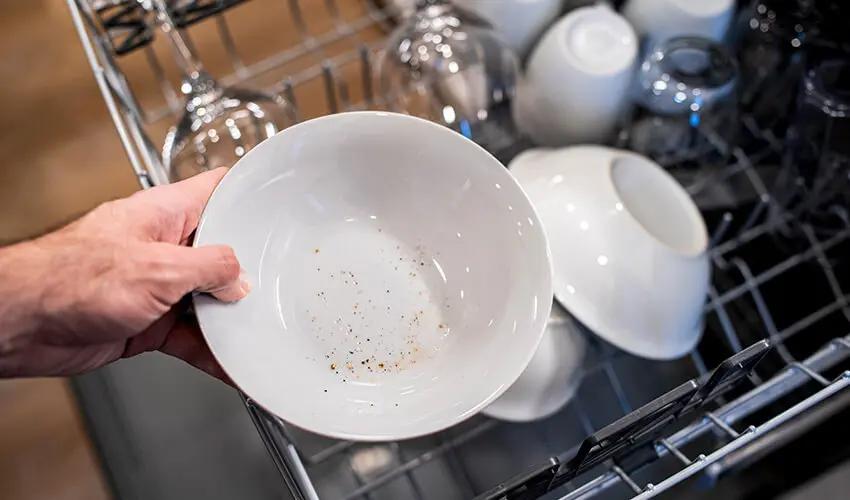
If your dishwasher not cleaning dishes properly problem keeps coming back, you are not alone. Many homeowners notice greasy plates even after a full cycle. Quick & Pro Appliance Repair Burbank often sees this issue in busy kitchens where daily use hides small performance problems.
A dishwasher should leave dishes spotless. However, when grease remains, something in the process is off. Therefore, understanding the cause helps you fix it faster and avoid bigger repairs later.
Common Reasons Your Dishwasher Leaves Grease Behind
The most common cause of a dishwasher not cleaning dishes properly issue is poor water flow. If spray arms cannot move freely, water will not reach every surface. As a result, grease stays stuck on plates and utensils.
Another reason is clogged filters. Food particles build up over time. Consequently, dirty water circulates back onto your dishes instead of being drained away.
Low water temperature also plays a role. Grease needs hot water to break down. If the temperature drops, cleaning performance suffers quickly.
Detergent quality matters as well. Cheap or incorrect detergent does not dissolve grease fully. In addition, using too much soap can create residue instead of cleaning.
Blocked Spray Arms Can Reduce Cleaning Power
Spray arms push water across your dishes. However, small food debris can block the holes. When that happens, pressure drops and grease remains.
You can remove the spray arms and rinse them under warm water. For instance, a toothpick helps clear small clogs. This simple step often improves performance immediately.
If the arms are damaged or worn out, replacement becomes necessary. In that case, checking a professional service like dishwasher repair Burbank ensures the right parts are used.
Dirty Filters Keep Grease Circulating
Dishwashers rely on clean filters to trap food particles. Over time, grease and debris build up. As a result, your machine keeps washing dishes with dirty water.
You should clean the filter every few weeks. Remove it, rinse it thoroughly, and scrub away buildup. This process takes only a few minutes but makes a big difference.
If your dishwasher not cleaning dishes properly issue continues, deeper cleaning may be needed. Internal components can collect grease that is not easy to reach.
Incorrect Loading Can Block Water Flow
How you load your dishwasher matters more than most people think. Large items can block spray arms. Therefore, water cannot reach smaller dishes behind them.
Place plates facing the center. Keep space between items so water can circulate. In addition, avoid stacking utensils too tightly.
Even a well-functioning machine struggles when loaded incorrectly. Adjusting your loading habits can solve many cleaning issues quickly.
Low Water Temperature Leaves Grease Behind
Dishwashers work best with hot water. If your home water heater is set too low, grease will not dissolve. Consequently, dishes come out looking dull and dirty.
Run your kitchen tap until the water gets hot before starting the cycle. This ensures the dishwasher begins with the right temperature.
If the issue persists, the heating element may not work properly. In that case, you may need help from a service like cooktop repair Burbank or a general appliance expert who can inspect heating components.
Using the Wrong Detergent Affects Results
Not all detergents perform the same. Some leave residue instead of removing grease. As a result, your dishes may feel oily after washing.
Choose a high-quality detergent designed for your dishwasher type. Also, measure the correct amount. Too much soap creates buildup, while too little reduces cleaning power.
Rinse aid also helps remove grease and improve drying. Adding it regularly improves overall performance.
When Grease Points to a Bigger Problem
Sometimes, a dishwasher not cleaning dishes properly issue signals a deeper mechanical problem. Pumps, valves, or sensors may not work as expected. Consequently, water pressure or circulation drops.
If you notice unusual sounds or incomplete cycles, do not ignore them. These signs often indicate internal wear.
In such cases, contacting a trusted service like appliance repair services can prevent further damage and save money over time.
How Other Kitchen Appliances Affect Dishwasher Performance
Kitchen systems often work together. For example, a faulty water supply can affect both your dishwasher and your fridge repair Burbank needs.
Similarly, issues with gas or electrical systems can impact appliances like your stove repair Burbank. Therefore, checking the full kitchen setup helps identify hidden causes.
Quick & Pro Appliance Repair Burbank recommends routine maintenance for all appliances. This approach keeps everything running efficiently and prevents unexpected problems.
Simple Maintenance Tips to Prevent Greasy Dishes
Regular care keeps your dishwasher working well. Firstly, clean the filter often. Secondly, inspect spray arms for clogs.
Run a cleaning cycle with a dishwasher cleaner once a month. This removes grease buildup inside the machine. In addition, check door seals and racks for wear.
Avoid overloading your dishwasher. Give water space to move freely. These small habits improve cleaning results and extend the life of your appliance.
When to Call for Professional Help
If your dishwasher not cleaning dishes properly issue continues after basic fixes, professional inspection is the next step. Some problems are not visible from the outside.
Quick & Pro Appliance Repair Burbank handles these cases with proper tools and experience. Technicians can diagnose hidden faults and restore full performance.
Delaying repairs can lead to higher costs later. Therefore, acting early keeps your kitchen running smoothly and saves time.
FAQs
Why do my dishes feel greasy after a full cycle?
Grease usually remains due to low water temperature, clogged filters, or blocked spray arms. Fixing these areas often solves the issue quickly.
How often should I clean my dishwasher filter?
Clean the filter every two to four weeks. Regular cleaning prevents buildup and improves washing performance.
Can detergent cause greasy dishes?
Yes, low-quality or incorrect detergent can leave residue. Using the right type and amount improves cleaning results.
What temperature should my dishwasher water be?
Water should be at least 120°F. Lower temperatures will not break down grease effectively.
When should I call a technician?
Call a technician if cleaning, loading, and detergent adjustments do not fix the issue. Persistent problems often indicate internal faults.