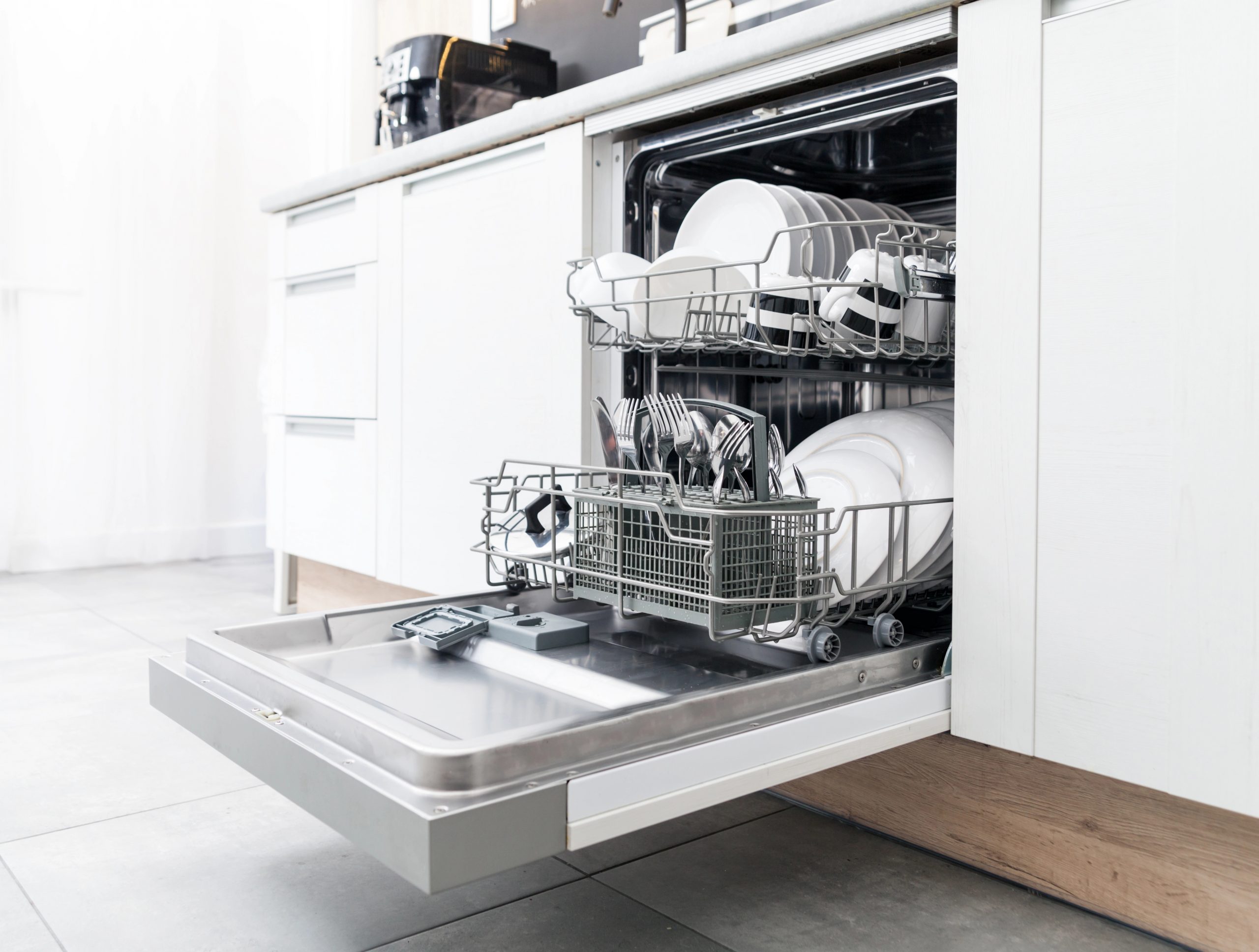
If you have a dishwasher not draining after every cycle, Quick & Pro Appliance Repair Burbank can help you find out why before the standing water turns into a smelly mess. Murky water at the bottom of the tub after a cycle is a classic warning sign. The cause is often simple, such as a clogged filter or a kinked hose. Sometimes a pump or valve has failed. This guide walks you through the checks, from easiest to hardest.
Signs of a Dishwasher Not Draining
Catching the problem early keeps repairs simple. Look and listen for these patterns after each cycle for a week.
A dishwasher that drains poorly shows its trouble in several ways. You may spot a pool of dirty water in the tub when the cycle ends. Dishes may feel gritty, and glasses may look cloudy. A sour smell often follows.
Other clues appear before the water even gets stuck. The cycle may take longer than usual. You may hear a humming sound without any pumping. Water may back up into the sink when the dishwasher runs.
Any of these signs deserves a closer look. Water that sits in the tub grows bacteria and can leave food residue behind. Acting early protects your dishes and the machine.
Start With the Easy Checks
Most drain problems begin with a blockage close to the tub, and a few minutes of looking can save a visit. Work through these steps in order, and always switch off power at the breaker first.
- Remove the lower rack and look for items blocking the drain area.
- Lift out the filter and rinse it under warm water.
- Scoop out standing water with a cup and a towel.
- Check for broken glass, toothpicks, or labels near the drain opening.
- Run a short rinse cycle and watch whether the water leaves.
Filters collect food scraps, and a dirty filter is the leading reason for slow drainage. Our guide on how clogged filters lead to standing water shows how to clean one properly.
Dishwasher Not Draining: Check the Hose and Sink Connection
If the tub is clean and you still have a dishwasher not draining, move to the hose. The drain hose runs from the pump to the sink drain or garbage disposal. A kink, a crushed section, or a food clog can stop the flow.
Pull the machine forward slowly and inspect the hose from end to end. Straighten any bends. The hose should rise in a high loop under the counter before it reaches the drain connection. That loop keeps dirty sink water from running back into the tub.
If your unit connects to a garbage disposal, check the inlet. New disposals have a small plastic knockout plug that must be removed. A forgotten plug blocks the connection completely. Run the disposal empty before you start the dishwasher.
Table: Cause, Warning Sign, and Fix
This table helps you narrow down the likely culprit. Start at the top and move down only when each simpler cause is ruled out.
| Likely cause | Warning sign | Who fixes it |
|---|---|---|
| Dirty filter or debris | Gritty dishes, slow drain | You, with a rinse |
| Kinked or clogged hose | Water backs up into the sink | You, or a technician |
| Disposal knockout plug | New installation, no drainage | You, with care |
| Clogged air gap | Gurgling at the sink | You, or a technician |
| Failed drain pump | Humming, no pumping action | Technician |
| Faulty check valve | Water flows back into the tub | Technician |
| Control board fault | Drain cycle never starts | Technician |
Pumps and boards need proper tools and testing. Those are jobs for a trained professional, not a weekend project.
When the Pump or Control Is to Blame
If the easy checks fail, the drain pump is the next suspect. The pump pushes water out of the tub at the end of each cycle. A pump can jam with a bit of glass or a bone fragment. Its motor can also wear out after years of service.
A technician listens for the pump’s sound and tests it with a meter. The pump housing is opened to look for debris. If the motor is dead, replacing the pump is a routine repair.
Sometimes the pump is fine and the control board never sends the signal to run it. Testing the board output tells the difference. If you see blinking lights, our article on dishwasher lights that blink with no response is a helpful companion.
Habits That Keep Drains Clear
A few small routines stop most clogs before they start. They also make a dishwasher not draining far less likely in the first place.
Prevention is easy once you know the risks. Homes with hard water may also see mineral buildup around the drain, so a monthly rinse of the filter area pays off. Scrape plates instead of rinsing them under running water. Soft scraps are fine for the filter to catch, but bones, seeds, and shells are not.
Clean the filter at least once a month. Run the hottest sink tap for a minute before starting the cycle, so the first fill is warm. Use the correct amount of detergent, because too much soap can create suds that slow the pump.
Finally, give the machine a monthly cleaning cycle with a dishwasher-safe cleaner. The ENERGY STAR dishwasher guide also offers helpful tips on loading and scraping to protect efficiency.
Should You Repair It or Call for Help?
Repairing a drain fault usually beats living with it. Water that sits in the tub can leave residue on every load and can spread odors through the kitchen. It can also overload the pump if the blockage grows worse.
Take care of the filter, hose, and disposal plug yourself if you feel comfortable. A dishwasher not draining after those fixes needs a professional look. Call a technician if the water still stands after those checks. Call if you hear the pump hum without moving water, or if the machine leaks.
Many homes keep older dishwashers that are still in good shape. A drainage fault rarely means the machine is finished. Our dishwasher repair service in Burbank handles pumps, hoses, valves, and boards. For a quick tour of other common faults, see the top dishwasher issues we fix.
An honest quote is given after the assessment, before any work starts.
Frequently Asked Questions
Why is there water in the bottom of my dishwasher?
A small amount around the filter can be normal. A pool of dirty water after the cycle means a clog or a pump problem. Check the filter first.
Is standing water in a dishwasher dangerous?
It is not an emergency, but it breeds bacteria and odors. Do not run the machine again until the water has drained. Unplug it if you see leaks.
Can a garbage disposal stop the dishwasher from draining?
Yes. A clogged disposal inlet or a forgotten knockout plug can block the drain path. Run the disposal and check the inlet.
How long should a dishwasher drain take?
The drain phase usually lasts a few minutes at the end of each cycle, as an industry estimate. If water remains after the cycle, something is blocking it.
Contact Quick & Pro Appliance Repair Burbank
Quick & Pro Appliance Repair Burbank serves homes in Burbank, California. Call or text (818) 860-8028. Our hours are daily from 7:00 am to 8:00 pm, seven days a week.