
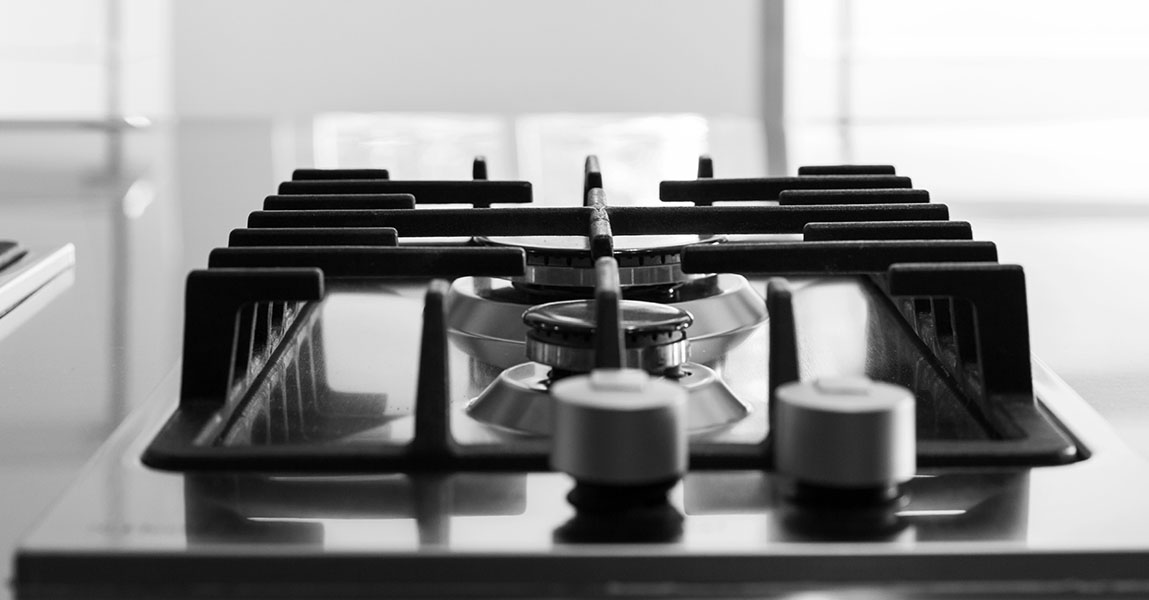
Quick & Pro Appliance Repair answers Stove Repair Burbank calls throughout the week. Often the call comes in after a homeowner notices a burner that will not light, or an oven that heats unevenly. A stove works harder than almost any other kitchen appliance. It cycles through high heat multiple times a day, so wear shows up gradually in small but noticeable ways. Catching those early signs prevents a minor issue from turning into a stove that will not cook a meal reliably. This guide covers the most common stove problems, what typically causes them, and when a professional visit makes sense.
Common Signs a Stove Needs Stove Repair Burbank Service
A burner that clicks repeatedly without lighting is one of the most frequent complaints homeowners bring in. So is a burner that lights but burns with a weak, uneven flame. On electric models, a burner that glows unevenly or takes far longer than usual to heat up signals a failing heating element. Either symptom means the stove is working harder than it should to produce consistent heat.
An oven that takes noticeably longer to preheat is also worth investigating. So is one that cooks food unevenly, or leaves a faint gas smell near the burners after use. Ignoring these symptoms rarely makes them go away. Most stove issues get more noticeable and less predictable the longer they continue. A small delay in preheating today can become a much bigger problem within a few months.
Burners That Click, Struggle, or Won’t Light
A gas burner that clicks but never catches usually points to a clogged igniter port. Moisture trapped in the burner cap is another common cause. So is a failing spark module. Food debris and grease buildup around the burner ports are common culprits, since they block the small openings gas needs to pass through. Our guide to gas burners that click but won’t ignite covers the cleaning steps worth trying before calling for service.
A single burner that heats more slowly than the others often has a different root cause than a burner that will not light at all. Partial clogs, a weak igniter, or uneven gas flow through one specific valve are the usual suspects. Our breakdown of what to check when only one burner heats slowly walks through the difference between a simple cleaning fix and a part that needs replacing.
Oven Temperature Problems and Ignition Timing
Oven Temperature and Cooking Problems
An oven that cooks unevenly, browning food on one side faster than the other, often points to a faulty heating element. A failing convection fan can cause the same symptom. So can a temperature sensor that has drifted out of calibration. These issues tend to worsen gradually. A dish that browns slightly unevenly today may be noticeably undercooked on one side within a few months.
A stove that takes far longer to preheat than it used to is another common complaint. It usually traces back to a weakening heating element or an igniter struggling to reach full temperature. Left unaddressed, a slow-preheating oven puts extra strain on the element. It also raises the odds of a full failure during a busy dinner.
Electrical Connections and Ignition Timing
Loose wiring behind the control panel can mimic several of the symptoms already covered here. A burner may fire late. An oven may take longer to reach temperature than the dial suggests. Vibration from years of use gradually loosens connectors inside the back panel. This is one reason two stoves with the exact same symptom can need very different repairs.
Ignition timing matters more than most homeowners realize. A spark that fires a fraction of a second late can still light the burner. It still wastes gas and increases wear on the igniter over time. A technician checks this timing directly rather than guessing from the symptom alone. Getting the timing right extends the life of the igniter. Our notes on a burner that clicks but won’t light cover a few quick checks worth trying first.
Symptom, Likely Cause, and What We Do
| Symptom | Likely Cause | What We Do |
|---|---|---|
| Burner clicks but will not light | Clogged igniter port, moisture buildup | Clean igniter, test spark module |
| One burner heats slower than others | Partial clog or weak igniter | Clear ports, test gas flow and igniter |
| Oven cooks unevenly | Faulty element, failing convection fan | Test heating element, inspect fan motor |
| Oven takes longer to preheat | Weakening heating element | Test and replace heating element as needed |
| Faint gas smell near burners | Loose fitting or ignition delay | Inspect gas connections, test ignition timing |
| Burner glows unevenly (electric) | Worn heating coil | Test coil resistance, replace as needed |
Maintenance That Keeps a Stove Running Well
A short routine of cleaning and inspection prevents many of the issues covered above. Industry estimates suggest that stoves receiving regular burner and vent cleaning experience fewer ignition problems over their working life. Skipping this routine tends to accelerate the wear covered above.
- Clean burner caps and igniter ports monthly to prevent grease and food debris buildup.
- Check the oven door seal periodically, since a worn seal lets heat escape and slows cooking.
- Avoid using foil to line burner pans, since it can block airflow and trap heat near components.
- Have the gas connection and igniter inspected annually, especially for stoves used daily.
Kitchen fire prevention guidance published by the National Fire Protection Association also covers safe burner use. It outlines the warning signs worth watching for around gas appliances.
When to Call for Stove Repair Burbank Service
Some stove issues, like a dirty igniter port, are safe for homeowners to check and clean themselves. Others are not. Anything involving a gas connection, a persistent smell, or an electrical heating element is best left to a trained technician. A gas smell that does not clear after cleaning the burner ports warrants an immediate professional visit rather than a wait-and-see approach.
Quick & Pro Appliance Repair sends technicians equipped to diagnose the full range of stove symptoms covered here. This includes a burner that will not light and an oven that cooks unevenly. Every visit starts with a full assessment, so the actual cause gets addressed rather than guessed at.
Troubleshooting a clogged igniter or loose fitting is worthwhile, but persistent gas smells, delayed ignition, or uneven oven cooking warrant professional inspection. These issues point to components that require expert diagnosis and repair. Our technicians at Quick & Pro test ignition timing, heating elements, temperature sensors, and gas connections to pinpoint the exact problem. When you need stove repair in Burbank, we arrive quickly with diagnostic tools and OEM parts to restore reliable, safe cooking performance same-day.
Frequently Asked Questions
Why does my gas burner click but not light?
This usually means the igniter port is clogged with food debris or moisture, or the spark module itself is starting to fail. Cleaning the burner cap and ports often resolves it, though a persistent click without ignition may need a technician’s look.
Is a faint gas smell near my stove normal?
No, any lingering gas smell should be checked promptly rather than ignored. A loose fitting or a delayed ignition cycle are common causes, and a technician can identify the source safely.
Why does my oven cook food unevenly?
An uneven bake usually points to a heating element that has weakened over time. A struggling convection fan can also be the cause, along with a temperature sensor that has drifted out of calibration. Any of these can be tested and corrected during a standard service visit.
How often should a stove get professional maintenance?
An annual inspection is a reasonable baseline for a stove used daily, particularly to check gas connections and igniter function. Homeowners noticing slower ignition or uneven cooking should not wait for the annual check.
Can I keep using a burner that heats unevenly?
It is usually safe short term, but an unevenly heating burner is a sign of wear that tends to worsen. Having it checked before it fails completely helps avoid being without a working stove during a busy week.
Contact Quick & Pro Appliance Repair
Homeowners across Burbank, CA looking for dependable Stove Repair Burbank service can reach Quick & Pro Appliance Repair at (818) 860-8028 or by email at info@lafixappliance.com. The team is available daily from 7:00 am to 8:00 pm, seven days a week, ready to diagnose burner, ignition, and oven issues before they turn into a full breakdown.